
Neuroimmune Modulation for Rheumatoid Arthritis: Safety, Side Effects, & What the Research Shows
If you’re living with rheumatoid arthritis (RA), you’ve probably spent a lot of time researching treatment options. Stimulating the vagus nerve – neuroimmune modulation – may have come up in that search, particularly since the SetPoint System was FDA approved in 2025. It’s natural to have questions, especially about safety and what the research shows.
SetPoint Therapy works by sending mild electrical signals through the vagus nerve to help regulate the body’s inflammatory response. It’s a concept that’s been studied for years, and now it’s moved from research into clinical reality: the SetPoint System is the first and only FDA-approved neuroimmune modulation device for the treatment of moderately to severely active RA that is not responding to biologic or targeted RA therapy.
The SetPoint System’s safety and effectiveness is backed by a rigorous clinical trial called RESET-RA, whose 12-month results were published in Nature Medicine, one of the world’s most respected medical journals. The research showed meaningful improvements in RA symptoms alongside a favorable safety profile.
Let’s walk through what the study found, what the safety data looks like, and what side effects have been reported.
What Is the SetPoint System?
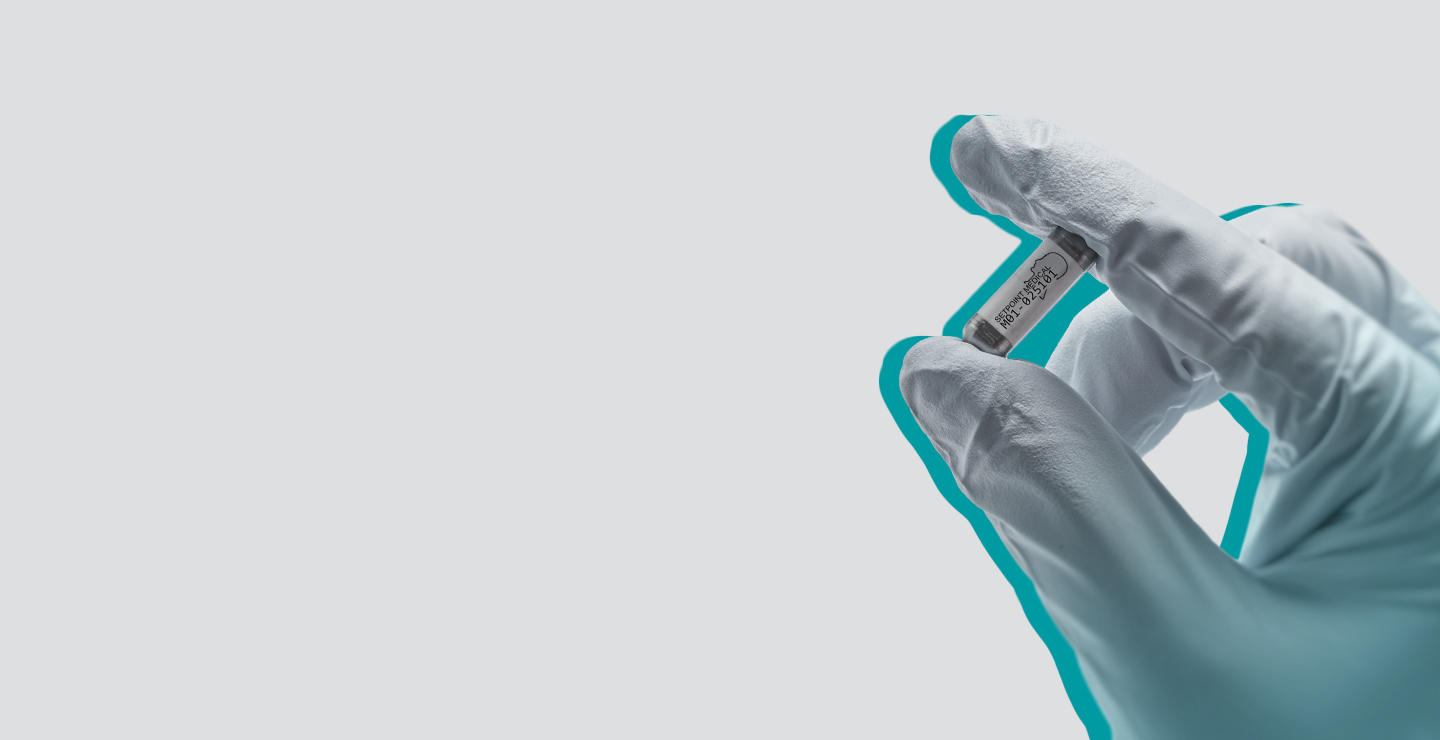
The SetPoint System is a small, implanted device, about the size of a multivitamin, that a surgeon places on the vagus nerve on the left side of the neck during an outpatient procedure. Once activated, it automatically delivers one minute of mild stimulation each day for up to 10 years.
That stimulation activates the body’s own natural anti-inflammatory pathway, helping to restore balance to the immune system and reduce the inflammation that drives RA symptoms. Because therapy is delivered automatically, there’s nothing you need to do for daily treatment. You simply charge the device for a few minutes each week using a wireless charger. There are no required pills, injections, or infusions outside of your regularly scheduled visits to the rheumatologist.
Neuroimmune Modulation for RA: What Does the Research Show?
The FDA approval of the SetPoint System was based on the RESET-RA study, a 242-patient, randomized, double-blind, sham-controlled clinical trial conducted at medical centers across the United States. This is the gold standard of clinical research design. Here are the key findings:
- The study met its primary effectiveness endpoint at three months, and results continued to improve over time. At the three-month mark, people receiving SetPoint Therapy showed statistically significant improvement in RA symptoms compared to the control group, and improvement in tender and swollen joints and disease activity continued through 12 months.
- 75% of patients were managing their RA with SetPoint Therapy at 12 months, without the addition of a biologic or JAK inhibitor.
- About half of those treated with SetPoint Therapy for 12 months achieved low disease activity or remission, the goal that most people with RA are working toward.
Beyond these results, 98% of study participants stayed on SetPoint Therapy through 12 months, and 94% said they would recommend SetPoint Therapy to friends or family.
Is Vagus Nerve Stimulation for RA Safe?
Safety was a central part of the RESET-RA study, and the FDA reviewed the complete safety data as part of the approval process. The results were reassuring.
Serious adverse events related to the device or therapy were uncommon, occurring in fewer than two percent of patients (4 of 242 participants), and occurred within three months of device placement. Importantly, there were no long-term serious adverse events related to the device or therapy, and no serious infections, cancers, or major cardiovascular issues related to the device, therapy or procedure occurred through the 12-month follow-up.
While the SetPoint System is the first FDA-approved medical device using neuroimmune modulation to treat RA, it builds on an established foundation: vagus nerve stimulation has been used in more than 150,000 patients since 1997. In the RESET-RA study, researchers concluded that SetPoint Therapy produced durable clinical benefits with a favorable safety profile for patients with moderate to severe RA who do not respond to, or cannot tolerate, advanced RA therapies like biologics or JAK inhibitors.
There are some situations where the SetPoint System should not be used. It is not appropriate for people who have had a vagotomy (removal of the vagus nerve) or a splenectomy (removal of the spleen), or for those whose healthcare provider determines the surgery would not be safe. Reasons it may not be safe include having a pacemaker or implantable defibrillator, having a neck too large to comfortably wear the SetPoint Charger, or having a condition that makes anesthesia or intubation for the surgery risky. Your doctor can help you determine whether this therapy is appropriate for your situation.

Speak with a Patient Activator
What Are the Side Effects?
The most commonly reported side effects in the RESET-RA study were related to the surgical placement of the device. They were generally mild to moderate and typically resolved over time.
The most common was hoarseness, which typically presents from vocal cord complications related to surgery near the vagus nerve and occurred in about 5% of study participants (11 of 242). Other non-serious effects included pain, redness, and swelling at the implantation site, as well as sore throat, cough, or tingling. These types of effects are consistent with what has been observed across tens of thousands of patients treated with other vagus nerve stimulation devices for a variety of clinical conditions over the past 20 years. For full safety information, please see Instructions for Use and our Important Safety Information.
As with any procedure that involves surgery, there are risks, and it’s important to discuss them openly with your surgical and rheumatology care team before making a decision.
Are There Any Restrictions with SetPoint Therapy?
For most people, getting the SetPoint Implant doesn’t mean giving up flexibility in your treatment plan or your daily life.
From a treatment standpoint, SetPoint Therapy doesn’t limit your options. Your rheumatologist may continue or adjust other RA medications, including biologics or JAK inhibitors, alongside your SetPoint Therapy, depending on your individual needs.
X-rays, CT scans, ultrasounds, and PET scans can all be performed without restrictions, but patients should present their Implant ID card to their doctor and imaging technician so they are aware of the device. The SetPoint Implant is MR Conditional, meaning MRIs can be performed only under specific conditions. Patients need to wait at least two weeks after implantation before having an MRI, and any future MRI must not be scheduled within one hour before or after their daily therapy time.
Beyond imaging, scuba diving and the use of hyperbaric chambers are not recommended, since high pressure could damage the device. Certain medical procedures around the neck that involve electrical current, heat, or radiation, such as electrosurgery, diathermy, TENS, electroconvulsive therapy, lithotripsy, and radiation therapy, may also need to be carefully evaluated. SetPoint Medical provides an Implant ID card and Therapy Parameters card to share with healthcare professionals before any treatments, imaging, or other procedures, so they can take the device into account.
The good news is that day-to-day life with the SetPoint System is largely unrestricted. Your only ongoing responsibility is a few minutes of wireless charging once a week. Traveling is no problem, as airport security detectors won’t interfere with your device. Just remember to pack your charger if you’ll be away from home for more than 10 to 12 days.
How SetPoint Therapy Differs from Other Treatments
SetPoint Therapy takes a fundamentally different approach for treating RA compared to traditional RA medications like biologics and JAK inhibitors. Instead of inhibiting processes of the immune system, SetPoint System activates the anti-inflammatory and protective nerve-to-immune-system connections to help restore balance. This is why doctors call it “neuroimmune modulation.” Because the SetPoint System works with the immune system, it preserves the body’s ability to fight infections and cancers, allowing the immune system to do its job.
For a deeper look at what makes SetPoint different, see 7 Ways SetPoint is a Different Therapy for RA.
Questions to Ask Your Rheumatologist
As is the case with any RA treatment decision the first step is a conversation with your rheumatologist (click here to download a discussion guide). They can help you understand whether SetPoint Therapy might be appropriate based on your treatment history, your current disease activity, and whether it’s available in your area.
A few things you might want to ask:
- Could a vagus nerve stimulation device be an option for my RA, given my treatment history?
- Am I a candidate for the SetPoint System?
- What would the procedure and recovery look like for me specifically?
- How would this fit alongside my current treatment plan and goals?
Wondering what the procedure and recovery are like? Hear from patients who’ve been through it: The SetPoint Implant Procedure: What to Expect
Take the Next Step
If you’re living with RA that hasn’t responded well to other treatments, SetPoint Therapy may be worth exploring. You can complete a short form to find out if it might be a good fit for you. If you’re a potential candidate, you’ll be connected with a Patient Activator from our team who can help answer your questions and walk you through next steps.